
How to Brainstorm Picture Book Ideas Like a Stand-Up Comedian
Why comic timing, exaggeration, and the unexpected will work wonders for kidlit
There’s a reason stand-up comedians and picture book writers are secretly long-lost cousins.
Both have to hook an audience fast. Both rely on rhythm, pacing, and surprise. And both know the best material comes from seeing ordinary life… and then tilting it sideways.
If you’ve ever stared at a blank page wondering, What in the world am I going to write about?, it might be time to borrow a few tricks from the comedy stage.
Here’s how thinking like a stand-up comic can lead you to your next unforgettable picture book idea.
1. Exaggerate Everything (Ridiculously)
Comedians thrive on exaggeration. They take a tiny truth and blow it up until it’s hilariously impossible to ignore.
Picture books love this too.
Example: Anzu the Great Listener by Benson Shum
Anzu is a quiet little monster in a family of LOUD monsters. The premise itself exaggerates an everyday feeling — wanting to be heard — and turns it into a larger-than-life problem (in a family of literal ROARERS). It’s funny, tender, and wonderfully weird.
Strategy:
→ Take a small moment from your life.
→ Ask: What if this was the MOST extreme version of that moment?
→ Write down the most ridiculous possibilities without censoring yourself.
2. Set Up… Then Flip It
In comedy, the setup is what the audience expects. The punchline is what swerves.
Picture books thrive on this bait-and-switch energy.
Example: My Pet Feet by Josh Funk, illustrated by Billy Yong
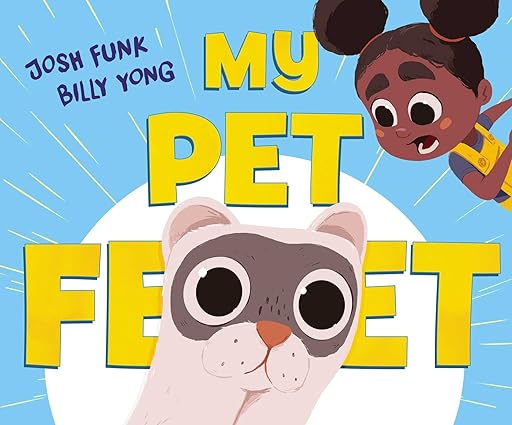
A little girl wakes up and discovers all the letter R’s have vanished from her town. Her pet ferret becomes her pet feet. Chaos ensues.
This is a perfect kid-friendly “setup and flip.” There’s a familiar world… until something wild breaks the rules.
Strategy:
→ Brainstorm ordinary scenarios: A school day. A birthday party. A trip to the store.
→ Ask: What would totally break the logic of this world?
→ Explore what happens next.
3. Find the Awkward Truth
Comedians often start with an awkward confession: You know how you pretend you understand taxes but really have no clue? You know that moment when you wave back at someone who wasn’t waving at you?
Picture books that reveal awkward kid-truths feel real and hilarious.
Example: Big Feelings by Alexandra Penfold, illustrated by Suzanne Kaufman
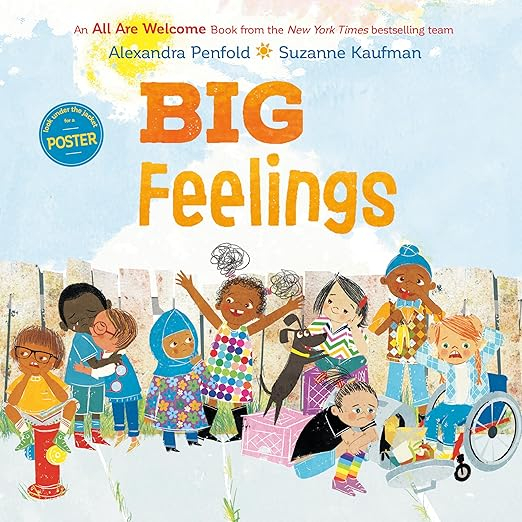
This book leans into the emotional awkwardness of childhood — how big and messy feelings can be — and turns it into a bright, celebratory, communal experience.
Strategy:
→ Think about embarrassing or awkward moments from childhood.
→ Ask: What made that moment so BIG in my head?
→ Play with making it even bigger or even more universal.
4. Embrace the Absurd
If it feels too weird for adults… you’re probably onto something perfect for kids.
Stand-ups love the absurd: Why does toast always land butter-side down? Why do socks disappear in the laundry?
Picture books thrive on this too.
Example: The Creature of Habit by Jennifer E. Smith, illustrated by Leo Espinosa
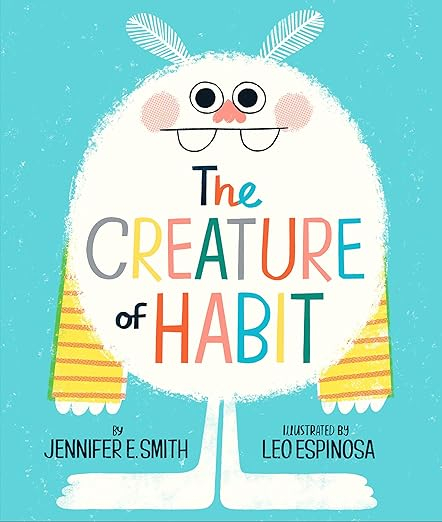
An enormous creature lives his life the exact same way every day… until a small visitor shakes up his world. It’s absurd and delightful — perfect picture book territory.
Strategy:
→ Ask: What everyday habit could become a monster’s obsession?
→ Flip expectations. What happens when things go “wrong” in that world?
5. Comic Timing is Page-Turning Magic
Comedians know the power of the pause.
Picture books have a secret weapon for comic timing: the page turn. Think of it like a comedic beat — a place for a surprise, a punchline, or visual gag to land perfectly.
Strategy:
→ Draft your manuscript with page turns in mind.
→ Hide surprises until after the turn.
→ Let the illustration carry part of the joke.
Final Tips for Brainstorming Picture Book Ideas Like a Comedian
1. Steal a Comedian’s Notebook Habit
Comics jot down weird observations constantly. You should too. Keep a “Funny Things Kids Say/Do” list. Pay attention to what makes you laugh — even quietly.
2. Start with “What If?”
This is a comedian’s favorite thought-starter and a picture book writer’s best friend:
-
What if squirrels ran your school?
-
What if everyone forgot how to blink?
-
What if toast were outlawed?
3. Get Comfortable Being Weird
If your idea feels too odd, you might just be on the right track. Editors (and readers!) want something they haven’t seen before.
4. Remember: Kids Love to Laugh
It doesn’t have to be perfect. It has to be playful.
Bottom Line?
The best picture book ideas often live where stand-up comedy lives: → Ordinary moments made extraordinary.
→ Awkward truths told boldly.
→ Familiar settings flipped upside down.
→ And jokes that land like magic with a turn of the page.
Go ahead. Get weird. Get wild. Be the stand-up comedian of kidlit. Your funniest, quirkiest idea might just be your next great picture book.
About the Blog
Welcome! I'm Katie Davis, a children's book author with a passion for helping writers bring their stories to life. Here you'll find tips, tricks, and tales from my twenty years in publishing.
Learn more about me →
Recent Posts
Newsletter
Get writing tips delivered to your inbox weekly.