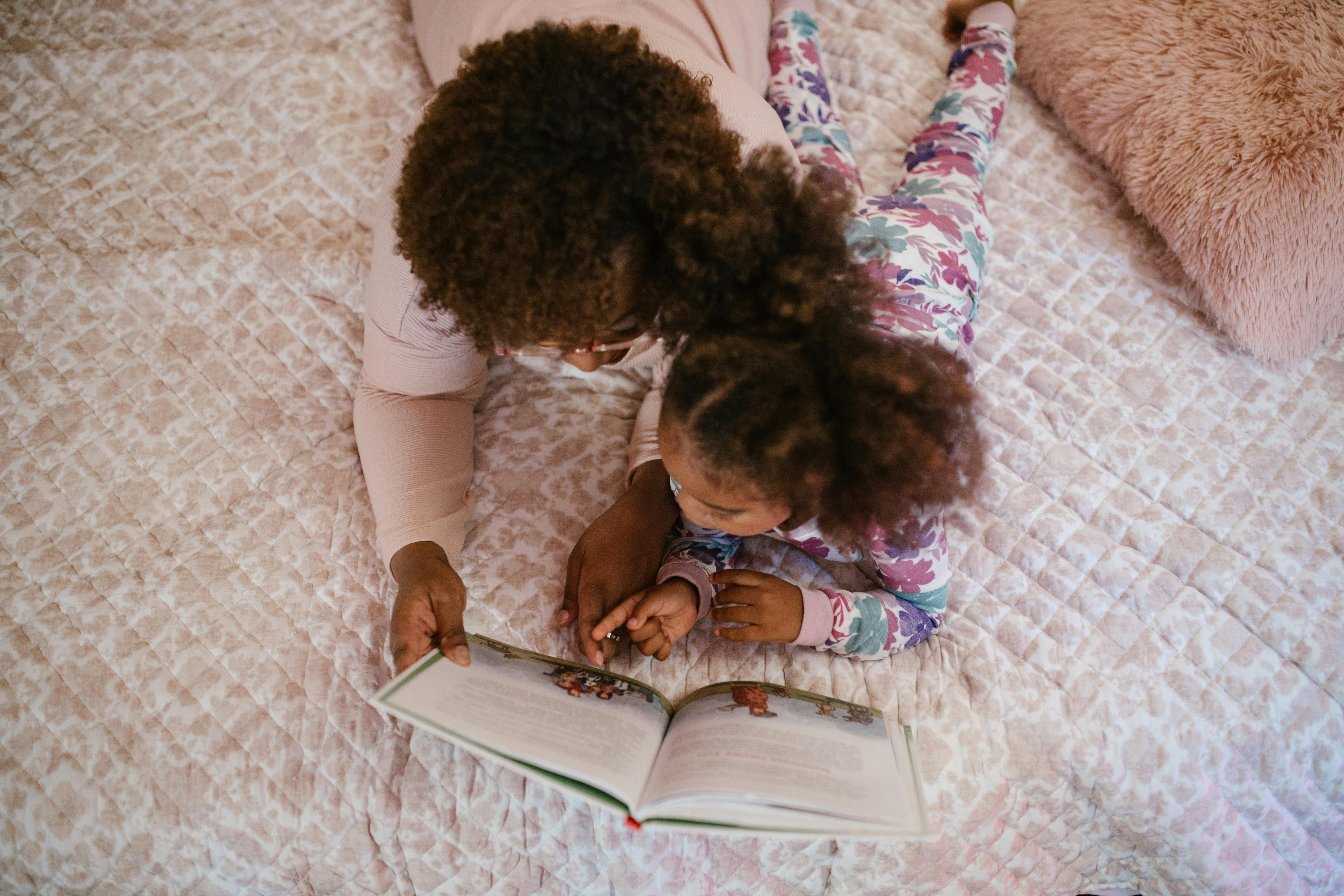
My mom died last year, and as I wrote the last line of this post, now, 4 months later I suddenly heard her reading my little brother's favorite book called Hello, Elephant. I can hear her saying the repeated phrase,…
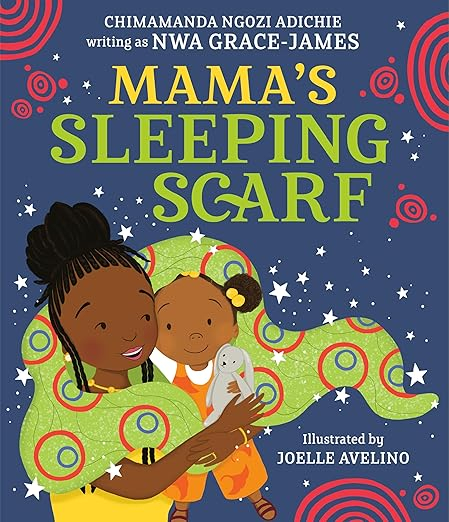
Cozy read-alouds that help kids wind down, feel safe, and actually stay in bed
If bedtime at your house is less “sweet dreams” and more “one more sip of water, one more song, one more existential question,” you’re in the…
It's Banned Book Week
A World Without Books?
Picture this: a classroom where only picture books about farms, puppies, and princes remain. Over time, the shelves grow bare—some books simply removed, others never purchased. That’s not fantasy. It’s happening right now…
A simple storytelling framework for 32-page manuscripts
If you’ve ever taken a screenwriting class, you’ve heard about the 3-act structure. Beginning. Middle. End. Sounds almost too simple, right? But here’s the thing: even in the cozy confines of a 32-page…
A practical guide for first-time picture book authors
Submitting your picture book manuscript is a craft and professionalism test rolled into one. With guidance from kid‑lit experts—from experienced advisors like my Picture Book Summit cofounders, Emma Walton Hamilton & Julie…
Proven strategies for emotional engagement in early childhood stories
Writing for preschoolers isn’t about flashy words or complex narratives—it’s about heart, rhythm, and connection. From the moment a child hears your words, you want them to feel seen, soothed, and sparkled…
Learn how to twist, flip, and reinvent classic themes into irresistible new ideas. Continue Reading What Makes a Picture Book Concept Fresh in a Crowd of Lookalikes?
When crafting a picture book, much attention is given to the protagonist—their journey, challenges, and growth. However, secondary characters—those sidekicks, grumpy neighbors, or quirky animals—often hold the key to enriching the narrative, adding depth, humor, and unexpected twists. These characters…